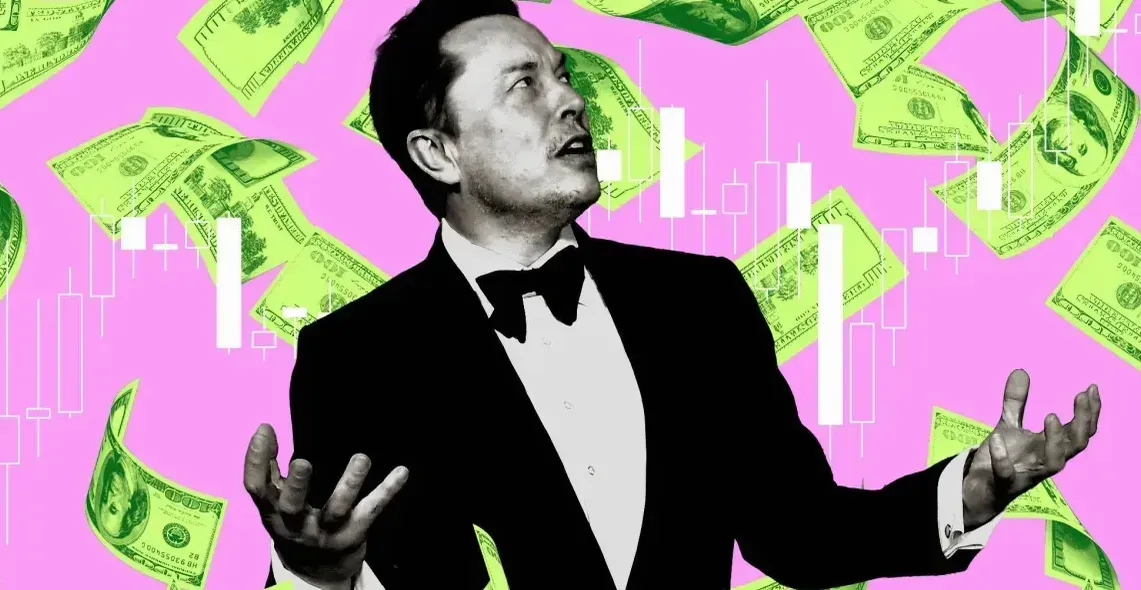
Elon Musk is once again attempting to blur the lines between his sprawling empire, this time suggesting a formal marriage between SpaceX and Tesla. The two companies have reportedly formed special committees to explore a merger, a move Musk justifies as a necessary step toward developing superintelligence software. For those who buy into Musk’s vision of spreading the light of consciousness across Mars, the logic follows a sci-fi trajectory where autonomous robots handle the heavy lifting of interplanetary colonization while AI manages the communication lags between planets. By fusing Tesla’s robotics and self-driving data with SpaceX’s computing infrastructure, Musk aims to create a vertically integrated powerhouse capable of building everything from humanoid workers to planetary colonies.
However, beneath the grand rhetoric of galactic expansion lies a messy financial reality. SpaceX is eyeing massive loans to fund an appetite for Nvidia chips, while Tesla continues to struggle with declining profits as Musk pivots away from traditional automotive sales in favor of robotaxis and futuristic prototypes. Critics suggest that the push for a merger might be less about Martian soil and more about consolidating control and shielding volatile assets. While SpaceX has reported surprising growth in its AI divisions—largely driven by renting out compute power rather than revolutionary breakthroughs in general intelligence—it remains unclear how these disparate businesses actually fit together on a balance sheet.
The synergy extends to several opaque joint ventures, such as Terafab, a chip-making ambition in Texas, and Macrohard, an AI project with vague goals regarding software simulation. Despite the ambitious timelines provided during investor calls, promising production dates for 2027 and 2028, there are few concrete signs that these projects have moved beyond early stage concepts. Legal filings indicate that many financial terms and intellectual property rights remain unsettled, leaving skeptics to wonder if these initiatives are actual products or merely convenient narratives used to keep shareholders captivated.
Ultimately, whether this merger represents a strategic masterstroke or another exercise in corporate theater depends entirely on your faith in Musk’s clock. History suggests his timelines are aspirational at best and fictional at worst, yet he maintains an uncanny ability to convince investors that today’s losses are simply the cost of tomorrow’s utopia. If the deal moves forward, it will mark one of the most unconventional consolidations in industrial history, blending electric cars and orbital rockets under a single banner of superintelligent ambition.