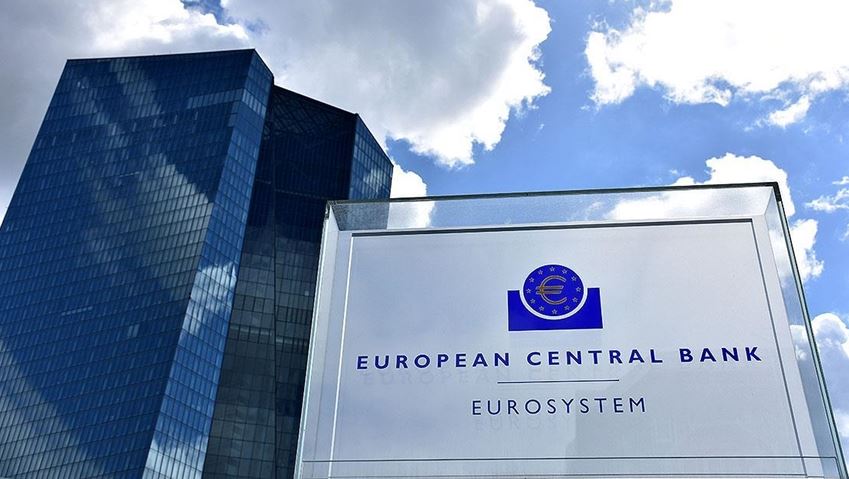
The European Central Bank (ECB) has selected 36 payment service providers (PSP) from across the euro area to join a digital euro pilot beginning in the second half of 2027, advancing the bloc’s central bank digital currency from design work toward live testing. Running for 12 months, the pilot will operate at the ECB and 19 national central banks, drawing on a pool of more than 50 applications that followed a March 2026 call for expression of interest.
The selected group of banks and non-bank providers spans a range of business models, sizes and geographies, giving the Eurosystem a representative environment to test how a digital euro would perform in everyday transactions. The exercise picks up where the ECB left off in December 2025, when it completed its preparatory phase and President Christine Lagarde handed the issuance decision to EU lawmakers.
Providers Take On Split Roles
The pilot serves as the ECB’s testing ground for refining the currency’s technical functionality, operational processes and user experience ahead of any decision to issue it. Selected firms will carry distinct functions across that work.
Distributing PSPs will give Eurosystem staff access to beta digital euro services, letting them open accounts and make payments, while acquiring PSPs will onboard selected merchants and enable them to receive payments, with some providers handling both roles.
The pilot will run on a beta version of the digital euro that mirrors the design set out in draft EU legislation, though it will carry no legal tender status. That same design underpins the technical standards the ECB said it would publish in 2026, alongside an estimate that a digital euro could cost European banks between €4 billion and €6 billion over four years.
Piero Cipollone, the ECB Executive Board member who chairs the High-Level Task Force on a digital euro, tied the response to private-sector appetite for the project.
“The strong market interest in the pilot shows the private sector’s readiness to engage actively and quickly advance with the digital euro project to strengthen the European payments landscape.”
Cipollone added that the bank looks forward to “deeper engagement as we work with and learn alongside European payment service providers in developing a secure, efficient and inclusive digital euro.”
Testing Reaches Shops and Offline Payments
Participants will move beta digital euros in the conditions the ECB expects in a live rollout. Staff at the host central banks will make person-to-person payments online and offline, alongside person-to-business payments at physical points of sale, including Software Point of Sale setups, and through e-commerce and mobile channels.
E-commerce merchants and businesses offering everyday services on their premises, such as cafeterias and restaurants, will take part, and the ECB has structured the arrangement so providers may deliver pilot services in countries beyond where they are established. The exercise keeps to the second-half-2027 window FinanceFeeds reported the ECB targeting last year.
Legislation remains the decisive step before issuance, with the European Parliament economic affairs committee voting 43-14 to back the currency alongside privacy safeguards and holding limits, the latest move before the ECB can be authorised to issue it.